Medically Cited
Let’s be honest. Nobody loves this topic. Bowel movements are the kind of thing we handle quietly, flush, and forget about, at least until something feels off. But here’s the part most people miss: that quiet daily routine? It’s one of the clearest windows into how your body is actually doing on the inside.

Every time you go, your digestive system is finishing a long, careful job. It broke down your food. It pulled out the nutrients you need, then packaged up the rest to send on its way. And how often you go, plus what it all looks like, is what quietly tells you whether your colon is happy or asking for a little more attention.
So let’s stop brushing it aside. Let’s give this everyday process the respect it deserves. By the time you finish reading, you’ll know what a healthy bowel movement actually looks like, the signs worth watching, and the simple habits that keep things moving the way they should.
Key Takeaways
- A bowel movement is just your body clearing out waste. Nothing more.
- Normal runs anywhere from three times a day to three times a week; “normal” looks different on everyone.
- They do support digestive and colon health. But they’re not the same as “detoxing” or “cleansing” the colon.
- Constipation and diarrhea are the two big ones, and both have plenty of possible causes.
- Diet, hydration, movement, and fiber are what shape how regular you are.
- A lasting change in your habits, or a red flag like blood, is worth a conversation with your doctor.
So, What Exactly Is a Bowel Movement?
Plainly put? A bowel movement is your body passing stool out through the anus, the very end of your digestive tract. And stool itself is mostly water. The rest is fiber you couldn’t digest, old cells, gut bacteria, and the leftovers your system decided it just didn’t need.
How your body turns food into stool
It happens in a few smooth steps:
- Food leaves your stomach and enters the small intestine. That’s where most of the nutrients get absorbed.
- What’s left moves into the large intestine (colon), which soaks up water and minerals.
- And as that water gets reabsorbed, the waste firms up into stool.
- Stool collects in the rectum until you feel the urge. Then out it goes.
Here’s the reassuring part. Passing stool isn’t some emergency cleanup your body struggles through. It’s really just the final, normal step of digestion. And a steady, comfortable bathroom habit usually means the whole system is humming along nicely behind the scenes.
Why Regular Bowel Movements Are So Good for Your Colon
When stool moves through your colon at a healthy pace, that’s when the good stuff happens. Waste doesn’t linger. You’re far less likely to strain, and your belly just feels lighter and more at ease.
On the flip side? When things slow down and constipation sets in, you get straining, discomfort, and a higher chance of hemorrhoids. And when things speed up too much with frequent diarrhea, your body loses fluids fast. Finding that steady middle rhythm is what lets your colon do its job without all the extra stress.
How Healthy Bowel Movements Quietly Support Your Colon?
Going regularly does a lot more behind the scenes than you’d think:
- Efficient waste removal: Waste leaves on a reasonable schedule instead of piling up and hardening.
- Water balance: Your colon holds just the right amount of water. So stool isn’t rock-hard, and it isn’t watery either.
- Healthy gut bacteria: A steady transit time is what keeps your gut microbiome balanced, which supports both digestion and immunity.
- Everyday comfort: Going regularly eases bloating, cramping, and that heavy, backed-up feeling we all dread.
- Less straining: Soft stools that pass easily protect you from the strain behind hemorrhoids and small tears.
Signs Your Bowel Movements Might Be Trying to Tell You Something
Most little changes? Nothing to worry about. But a few patterns really are worth a second look.
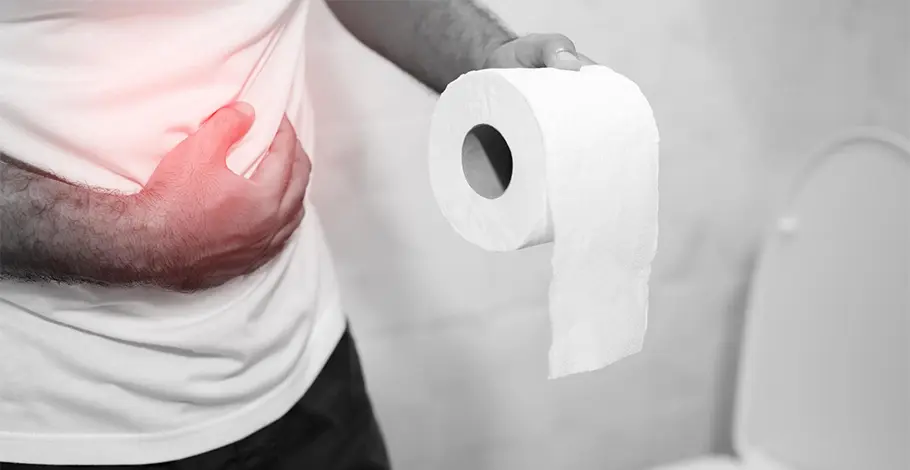
Constipation
This usually means fewer than three bowel movements a week. Hard or lumpy stools, lots of straining. And in severe cases, it can drop to just one movement a week.
Constipation
Diarrhea
Loose, watery stools. Or going way more often than usual. It’s acute when it clears within a few days; it turns chronic when it sticks around for several weeks.
Changes in Stool Color
Color shifts usually come down to what you ate. But a few really are worth noticing:
- Brown – Totally normal and healthy
- Green – Usually food (leafy greens, dyes) or fast transit
- Black or tarry – Possible bleeding higher up; get it checked
- Pale or clay-colored – Possible bile or liver issue; get it checked
- Red streaks – Possible bleeding lower down (or simply beets)
Blood or Mucus in the Stool
Bright red blood, dark blood, ongoing mucus. These can point to anything from harmless hemorrhoids to inflammation. And if blood keeps showing up? Please don’t wait it out. Have a doctor take a look.
Pencil-Thin Stools
Stools that stay very thin or ribbon-like over time? That can sometimes hint at a narrowing in the colon. So it’s genuinely worth mentioning if it keeps up.
A few other things to keep half an eye on: black stools, pale stools, floating or greasy stools, that nagging sense you haven’t fully emptied, and ongoing belly pain. One odd day is rarely a big deal. It’s the patterns that stick around that really deserve your attention.
What Causes Bowel Movements to Change?
Your habits can shift for all kinds of everyday reasons; here’s what’s usually behind it:
- Not enough fiber, or a sudden change in your diet
- Dehydration
- Sitting too much, moving too little
- Stress and anxiety. Your gut feels your mood more than you’d think.
- Infections, which are a very common cause of diarrhea, especially in kids
- Certain medications, including some painkillers and antibiotics
- Age, since digestive muscles naturally weaken and make constipation more common as you get older
- Underlying conditions like IBS, food intolerances, or thyroid issues
Simple Habits That Keep Things Moving
The good news? You don’t need anything fancy. A few steady habits are what do most of the heavy lifting:
- Drink your water. Hydration keeps stool soft and easy to pass.
- Keep moving. Even a daily walk nudges your gut muscles into doing their thing.
- Don’t ignore the urge. When your body calls, answer. Holding it in throws off your natural rhythm.
- Build a gentle routine. Going around the same time each day, say after breakfast, can train your body beautifully.
- Ease your stress. It can speed up digestion or slow it down, so a little calm really goes a long way.
And this lines up with the kind of advice you’ll get from the National Institute of Diabetes and Digestive and Kidney Diseases (NIDDK): eat well, drink enough, stay active, and give yourself a relaxed, unhurried moment in the bathroom.
Foods That Naturally Get Things Going
Fiber and fluids are the real heroes here. So load up on plenty of these:
| Food group | Examples |
|---|---|
| Whole grains | Oats, brown rice, whole wheat bread |
| Fruits | Apples, pears, berries, prunes |
| Vegetables | Leafy greens, broccoli, carrots |
| Legumes | Beans, lentils, chickpeas |
| Seeds and nuts | Chia seeds, flaxseed, almonds |
| Fermented foods | Yogurt, kefir, sauerkraut (great for gut bacteria) |
One catch though. Add the fiber slowly; drink plenty of water right alongside it. Pile it on too fast without enough fluid, and you can actually leave yourself more bloated, not less.
When It’s Time to See a Doctor
Reach out to a healthcare provider if you notice:
- Blood in your stool, or black, tarry stools
- A lasting change in bowel habits that goes on for more than a few weeks
- Stools that stay consistently pencil-thin
- Pale or clay-colored stools
- Unexplained weight loss, ongoing belly pain, or constant tiredness
- Constipation or diarrhea that won’t budge with diet and lifestyle changes
None of these automatically mean something serious. But catching them early is one of the kindest things you can do for yourself. Spot an issue sooner, and it’s almost always easier to handle.
Final Thoughts
At the end of the day, regular bowel movements are a small, honest sign. Your body, taking care of itself. And they help your colon clear waste smoothly, keep you feeling light, and spare you the strain behind so many common problems.
The most reassuring part? Just how simple the formula really is. Eat your fiber, drink your water, keep moving, and stay tuned to anything that lingers. Your body is already doing the hard work here; you just give it a little support and listen when it speaks.
And whenever something feels off and won’t settle on its own, a trusted healthcare provider is always the right person to help you make sense of it.
FAQs
What does it mean when your bowel movement is green?
It’s just food. Leafy greens like spinach and kale, anything with green dye, even certain iron supplements can tint things green. And the other common reason is speed. When stool moves through your colon too fast, bile doesn’t get the time it needs to fully break down.
Can stress cause loose bowel movements?
Yes. Your gut and brain talk constantly, and stress is what speeds things up. Faster transit means looser stools. For some people, stress is also what tips off an IBS flare. So if your bathroom trips go haywire during a rough week, that’s really just your gut feeling your mood. A little calm can genuinely help settle things back down.
What can cause blood in your bowel movement?
Plenty of things. Hemorrhoids and small tears are common, usually minor. But inflammation, polyps, or infections can too. And where it’s coming from often shows in the color. Bright red usually points to something lower down, closer to the end of the tract. Dark or black, tarry stools point higher up, like the stomach. Now, red foods like beets can fake the whole thing. So one streak isn’t a crisis. But if blood keeps showing up, don’t wait it out. Have a medical professional take a look.
Was this article helpful?
1 Sources
We review published medical research in respected scientific journals to arrive at our conclusions about a product or health topic. This ensures the highest standard of scientific accuracy.




 This article changed my life!
 This article was informative.
 I have a medical question.

 This article contains incorrect information.
 This article doesn’t have the information I’m looking for.